Seeing red, and what to do about it: Panzanella

Image

Above: One of my panzanella salads. This one has cucumber and white beans in there too.

About this time of year, gardeners (and their lucky friends) are becoming awash in lovely ripe tomatoes. And once you’ve made multiple salsas and pasta sauces, and your freezer is full, well, it’s time to put a little panzanella into your life.

Panzanella is best described as a tomato-bread salad, originating in Italy. (I’ve also seen it called Tuscan bread salad.) “Bread salad” may sound a little strange, but I can assure you that it’s delicious — and a cooling change of pace, especially in hot weather.

To make panzanella, you need good, sturdy bread, preferably a bit stale. Italian or French or country white bread are all good choices. You can probably find a suitable loaf on the day-old rack at your local bakery or grocery store. If not, you can slice or tear a fresh loaf into chunks or cubes, leave it out for a few hours to stale a bit, and then use it. (I’ve even toasted my bread chunks to get them dry in a hurry.) If the bread is a bit dry, it won’t get overly soggy as it soaks up the tomato juices.

You’ll also need two or three large, juicy-ripe tomatoes; about three tablespoons each of olive oil and vinegar (I like red-wine or balsamic); about a quarter-cup of thinly sliced red onion; a clove or two of garlic, chopped or put through a press or microplane grater; and some fresh basil would be nice. (If you only have dried basil, it will work too. But really, you should have some fresh basil on hand! It’s summertime in California!)

Here’s how to make it: Cut or tear about half your loaf of bread into bite-size chunks or cubes. Put them in a large salad bowl. (Some people moisten the bread with water beforehand, then squeeze it out and proceed. Others drizzle the cubes with olive oil and bake them, cooling them before adding to the salad. I prefer the simpler method of letting my tomatoes do the moistening.)

Cut the tomatoes into chunks and pour them and all their juices over the bread. Add the olive oil and vinegar (or use a bottled Italian dressing), the onions and the basil — about a half-dozen shredded leaves if you have fresh, a half-teaspoon of dried if you don’t — mix it all up, and add salt and fresh-ground pepper to taste.

You can let your panzanella sit at room temperature if you’ll be eating it within an hour or so; otherwise, refrigerate it until serving, especially if you’ve added meat and cheese to it.

What I like about panzanella is that it takes so well to leftovers and improvisation. Don’t have red onion? Use white ones, or sliced green onions. Can’t live without chopped celery? Go ahead and add it. How about those leftover beans from the other night? Sure, toss them in, along with some black or green olives. If you prefer the taste of fresh thyme or parsley to basil, go for it.

Other foods that play well in panzanella:

— Diced ham, salami, Canadian bacon, or regular cooked crumbled bacon;

— Diced cheese, like mozzarella or provolone;

— More vegetables, like radishes, artichoke hearts, bell peppers, garbanzo beans, green beans, shredded carrots, fresh peas, cooked edamame.

Using about a half-loaf of bread should give you three to four side-dish servings, or two large dinner-size servings. Leftovers make a nice lunch on top of a bed of lettuce the next day. (And you’ll have turned your bread salad into a salad salad!)

When you’re ready to serve the panzanella, the bread chunks should be nicely chewy and moist. If they seem dry, add a tomato, or more dressing.

This just in (to my brain, that is): I bet you could create a Mexican-flavored panzanella by using cilantro instead of basil, a chopped jalapeno pepper, black beans instead of white, and about a half-cup of canned (or fresh) corn. Add cubed Monterey jack cheese or your favorite Mexican cheese, and sprinkle with a few crushed tortilla chips.

Or even Greek-style: Lemon juice instead of vinegar, plus black olives and chunked peeled cucumber; canned tuna instead of ham or salami; feta cheese; and flavor with oregano instead of basil.

That’s the beauty of panzanella. There’s no one way to make it, and it can be different every time, depending on how you feel and what’s in the fridge. What a perfect summertime dish! Enjoy!

P.S. Got variations? Share them in the comments, please!

(c) Copyright Laura Groch 2013

A Sunny encounter at the Farmers Market

Image

Gluten free chocolate chip cookie cups from Sunnyside Kitchen. (Courtesy photo)

Tuesday is farmers market day in Escondido, and there’s almost always a new discovery each week. I was pleased recently to encounter a former co-worker from the North County Times, Kate Carpenter, staffing a booth for her business, Sunnyside Kitchen. Kate offers bite-size cookies, muffins and cakes, and has recently added panini, grilled to order by her husband, Bob. Varieties include Gourmet Grilled Cheese, BBQ Chicken Grilled Cheese, and Vegetarian Mediterranean; prices are $5 to $9. The bite-sized cookies (such as Chocolate Delights, with white chocolate chips and pecans) are $2 for a half-dozen. Gluten-free cookies (like the chocolate chip cookie cups, pictured) are twice as big, so those are 3 for $2. (And she’s got Buckeyes for order through the website!) If you can’t make it to the Tuesday market, try Sundays at the North San Diego Farmers Market at Sikes Adobe across from Westfield North County mall in Escondido. Kate’s cookies are also available at Rock n’ Jenny’s Italian Subs; Diego’s Place; Major Market Escondido; Kettle Coffee & Tea; and Orfila Winery. Visit sunnysidekitchen.com or email sunnysidekitchen@gmail.com!

End of the fair, but recipes keep coming!

Image

Above: Winners in the Ghirardelli Chocolate Championship contest: Todd Luallen (left) of San Marcos, Rozanne Gooding of Carlsbad, Cathy Agostino of El Cajon(Courtesy photo)

The San Diego County Fair wraps up today, July 4. If you weren’t able to visit, you can share in the fun with some winning recipes from the fair’s cooking contests. Check these out:

Winners of the Pillsbury Pie Baking Championship: First: Peggy Linberg of Upland, Bali Hai Pie; second, Alberta Dunbar of San Diego, Three Times the Chocolate Fantasy Pie; third, Rozanne Gooding of Carlsbad, Rosie’s Rockin’ Rhubarb Pie; Top Savory Pie: Sarah Tackett of Vista, Savory Chicken & Mushroom Pie

Here’s Sarah Tackett’s winning recipe in the Savory category:

Savory Chicken and Mushroom Pie

Crust:

1 package Pillsbury Pie Crusts

Filling:

3 tablespoons butter

1/2 onion, roughly chopped

1 clove garlic, finely chopped

1 pound mushrooms, sliced

4 slices bacon, cooked

3 cups chicken, cooked and chopped

1/2 cup parsley, chopped

1 can (10.5 ounces) cream of chicken soup, condensed

1 cup chicken broth

Topping:

1 egg, beaten

1 teaspoon water

Preheat oven to 350 degrees. Line 9-inch pie pan with 1 Pillsbury pie crust. Combine butter, onion and garlic in large skillet; cook until ingredients are soft. Add mushrooms and cook 5 minutes more. Add bacon, chicken, parsley, cream of chicken soup and chicken broth. Stir until thoroughly combined. Add salt and pepper to taste. Fill lined pie pan with chicken and mushroom mixture. Top with remaining pie crust; brush top with egg and water mixture. Bake pie at 350 degrees for 30 to 45 minutes, or until crust is golden brown.

Ghirardelli Chocolate Championship winners: First: Rozanne Gooding of Carlsbad, “Berry Easy” Black & White Chocolate Truffle Cups; second: Cathy Agostino of El Cajon, Carmel Macchiato Napoleon; third: Todd Luallen of San Marcos, Chetzels

Here’s the recipe for Todd Luallen’s “Chetzels”:

Chetzels 

2 cups peanut butter

1/2 cup butter

2 cups shredded unsweetened coconut

2 cups powdered sugar

1 teaspoon vanilla

1 bag (14 ounces) pretzel crisps

1 bag (10 ounces) Ghirardelli 60% Cacao Bittersweet Chocolate Baking Chips

Combine peanut butter, butter, coconut, powdered sugar and vanilla in a bowl. Mix well. Take two pretzels and put a tablespoon of the mixture in between, creating a sandwich. Melt Ghirardelli bittersweet chocolate on the stove over low heat, stirring constantly. Dip bottom of the sandwich in melted chocolate. Refrigerate for 1 hour. Yields: 24 Chetzels.

Bisquick Family Favorites Recipe Contest winners: First: Alberta Dunbar of San Diego, Chorizo Nuggets With Creamy Salsa; second: Susan Christen of Oceanside, Rosemary Madeira Baked Brie; third: Heidi Russell of Oceanside, “Pressed” for “Thyme” Chicken & Dumplings

Here are Alberta Dunbar’s and Susan Christen’s recipes:

Chorizo Nuggets With Creamy Salsa Dip 

Nuggets:

3 cups Bisquick mix

1 tablespoon Mexican seasoning

1 cup medium cheddar cheese, shredded and diced

1 pound chorizo, cooked and drained well, cooled

1 can (14.75 ounces) creamed corn

1/2 cup milk

32 small pitted black olives, well drained

Creamy Salsa:

1 package (8 ounce) cream cheese, softened

1/2 cup sour cream

2 teaspoons Mexican seasoning

8 ounces medium heat salsa

Line 2 cookie sheets with parchment paper. Preheat oven to 450 degrees. In large bowl, combine Bisquick mix and Mexican seasoning; mix well with wooden spoon. Add cheddar cheese and chorizo; mix well. In small bowl, combine creamed corn and milk. Fold corn mixture into Bisquick mixture, blending well. Using a well-rounded spoonful for each, form 16 nuggets out of the Bisquick mixture and place on the prepared cookie sheet, 4 nuggets to a row. Press an olive in the center of each nugget and press all the way down so dough fully covers the olive. Bake 12 to 13 minutes until golden brown. Remove to cooling rack. Prepare remaining nuggets for baking while first set bakes.

For Creamy Salsa, combine cream cheese and sour cream in medium bowl. Beat well with electric mixer until smooth. Add Mexican seasoning and blend. Beat in salsa until blended. Cover and chill. Salsa is best made overnight or early in the day. Serve nuggets with warm salsa dip. Yields: 32 nuggets.

Rosemary Madeira Baked Brie

1 1/2 cups Bisquick mix

2 tablespoons minced fresh rosemary (or dry)

1/4 cup Madeira wine

1/4 cup evaporated milk

Heat oven to 350 degrees. Lightly grease small jelly-roll pan. Whisk Bisquick mix and rosemary together. Set aside. Mix Madeira and evaporated milk. Stir into dry ingredients until soft dough forms. Knead 10 times. Halve the dough into 2 balls. Roll each into 8-inch circle. Set brie in center of one circle. Cover brie with other circle and form dough over brie. Dampen edges of bottom circle of dough and seal it to the top dough. Brush with olive oil and invert onto jelly-roll pan. Brush other side with olive oil. Bake for 30 minutes or until golden brown. Cool for 90 minutes. Serve with apricot preserves.

Spam-tastic! Contest winners from the San Diego County Fair

Image

Lucia Yandell (left), Monica Bennett, Alberta Dunbar with their winning Spam creations. (Courtesy photo)

Looking for results from the San Diego County Fair cooking contests? I’ve got some here for you — results from the Great American Spam championship (held June 8) and also the Kids’ Contest (held June 23).

The adult winner was Monica Bennett of San Diego, who won $150 for her Spammy Cristo Minis and a chance to move on to the nationals, where she will compete for a trip to Hawaii. Not too bad for a Spam sandwich with a twist! Also winning prizes were Lucia Yandell of San Diego for her Pulled “Spork” Sandwiches, and Alberta Dunbar of San Diego for her Sir Spamalots Club Spamwich.

Winners in the Kids’ Division were Katie Russell, 11, of Oceanside for her Tropical Spamwitch, Colin San Nicolas, 8, Oceanside for his Spamtassium, and Noah Tang, 8, San Diego, for his Spambled Egg Sandwich.

Here’s Monica’s recipe:

Spammy Cristo Minis

Belgian Waffles:
2 cups pancake baking mix
1/3 cup buttermilk
2 tablespoons vegetable oil
1 egg
Cream Cheese Filling:
3 ounces sweet pickled ginger
3 rings canned unsweetened pineapple, chopped
2 packages (8 ounces) cream cheese, softened
1 teaspoon Chinese five spice powder
Spam Filling:
1 can (12 ounces) Spam Classic
Seasoned pepper
Batter Coating:
1 egg
1 1/4 cups water
1/2 teaspoon salt
3 teaspoons sugar
1 1/2 cups flour
Garnishes: Powdered sugar, raspberry jelly

For Belgian waffles: Thoroughly combine pancake baking mix, buttermilk, vegetable oil and 1 egg in mixing bowl. Add approximately 1/4 cup waffle mix into a preheated waffle maker. Cook waffles until golden brown. Place waffles on a serving plate to cool. Yields about 4 waffles.
For Cream Cheese Mixture: Chop sweet pickled ginger and unsweetened pineapple. In mixing bowl, combine chopped pineapple and ginger with the two packages of softened cream cheese. Mix Chinese five spice powder into cream cheese mixture.
Prepare Spam: Thinly slice one can of Spam Classic. Place Spam in frying pan and cook over low flame until Spam is crispy on surface. Sprinkle with seasoned pepper. Place Spam on serving plate to cool.
For Batter Coating: Place 1 egg, water, salt, sugar and flour in a mixing bowl. Thoroughly blend ingredients.
Assemble: Starting with 1 waffle, spread waffles with cream cheese mixture. Place 1 slice of Spam on each waffle quarter. Place second waffle, with cream cheese side facing inward, on top of first waffle. Slice waffle into quarters. Slice quarter pieces in half. Secure each corner of the Spammy Cristo Mini with a long toothpick. Continue process until all waffles have been prepared.
Fill a small saucepan with at least 3 inches of vegetable oil. Make sure the oil line is at least 3 inches away from the rim of the pan. Heat oil with a low to medium flame until oil temperature is approximately 350 degrees. Prepare a tray with several layers of paper towels. Using tongs, dip one Cristo Mini in batter coating, then lower it into the oil. Cook Cristo Mini until coating is golden brown. Using tongs, remove mini from pan and allow it to cool on prepared tray. Sprinkle Cristo Mini with powdered sugar. Repeat until all the minis have been cooked. Serve with raspberry jelly garnish.
Yields: 8 Spammy Cristo Minis

Here’s Katie Russell’s winning recipe:

Tropical Spamwitch

2 teaspoons butter, melted
4 slices bread
1 purple onion, thinly sliced
1 tablespoon olive oil
3 tablespoons mayonnaise
1/4 teaspoon lime zest
1/4 teaspoon orange zest
Juice from 1 lime
1/3 cup water
1 teaspoon honey
1/4 teaspoon salt
1/4 teaspoon powdered ginger
1 mango, sliced
1 mini cucumber, sliced
One (12 ounce) can Spam Low Sodium, sliced
1 avocado, sliced (optional garnish)
Butter the slices of bread and put in a toaster oven until lightly browned. Saute onion in olive oil until golden brown. In a bowl, mix mayonnaise with lime and orange zest. Set aside. Stir together juice of 1 lime with 1/3 cup water. Add honey, salt and ginger. Pour honey mixture over sliced mango and cucumber. Let sit for 5 minutes.
To make sandwich, spread mayo mixture on inside of bread, top with onions, sliced SPAM, cucumber, mango, avocado and other slice of bread. Enjoy!

(c) copyright Laura Groch 2013

Ciao — we’ll miss “Sopranos” actor Gandolfini

Woke up this morning — and heard the sad news about James Gandolfini’s death. He did a tremendous job as Tony Soprano, which is how most people knew him and will remember him, though the actor distinguished himself with many other parts in TV, plays and movies after that landmark HBO series.

I can’t do a recap of Gandolfini’s life and career — I’ll leave that to the entertainment writers — but his passing made me think back fondly on “The Sopranos” and the many surprises, shocks and suspense-filled moments it offered viewers during its run.

In 1999, a friend in the HBO publicity department sent me the first four episodes of “The Sopranos” before it aired. “You’re Italian,” she said. “Tell me if you’re offended.” After watching just two episodes, I told her I loved it and couldn’t wait to see the rest. Thus began a Sunday-night ritual that lasted until 2007.

When the show was about to end that year, I wrote a piece for the North County Times suggesting various foods for a Sopranos-related menu to accompany watching the final episode. The story recalled the important role food had played in the show, because it is central to Italian-Americans’ lives, period:

— Livia sets the kitchen on fire, thus precipitating her move to a nursing home and her ordering a hit on son Tony in revenge.

— Hotheaded Chris Moltisanti shoots a slow-moving bakery store clerk in the foot, a nod by the writers to actor Michael Imperioli’s role in “Goodfellas,” in which he is shot in the foot by Joe Pesci.

— The many meals enjoyed at gangster wannabe Artie Bucco’s new restaurant, after his previous one was torched to prevent a mob hit that would have hurt future business.

— And the many sub sandwiches “brought in” by the guys to their offices at the Bada Bing club.

— The immortal line, “So what, no f—in’ ziti now?” uttered by young A.J. Soprano when he learns his grandmother isn’t coming to a family barbecue.

— Carmela Soprano’s lasagna, passed off by Tony’s sister Janice as her own in order to impress lonesome widower Bobby Baccala.

— The ricotta pie, one of the most effective weapons used in the show. Carmela offered the pie to an acquaintance who was unwilling to write a recommendation letter for daughter Meadow’s college application. Carmela made it oh-so-clear that the request, like the pie, was not to be denied.

— And of course, the final scenes, which took place in a diner as the family munched on onion rings before the hotly argued blackout ending.

In that last episode, A.J. reminded Tony of some advice he once offered him: “Remember the good times.” I’m sad at the too-early passing of a fine actor, but glad for the memories he gave us.

RICOTTA-PINEAPPLE PIE

(From “The Sopranos Family Cookbook,” Allen Rucker and Michele Scicolone, Warner Books, 2002)

1 tablespoon unsalted butter, softened

1/4 cup fine graham cracker crumbs

1/2 cup sugar

2 tablespoons cornstarch

One 15-ounce container ricotta cheese

2 large eggs

1/2 cup heavy cream

1 teaspoon grated lemon zest

1 teaspoon vanilla extract

For topping:

One 20-ounce can crushed pineapple in syrup

1/4 cup sugar

1 tablespoon cornstarch

2 teaspoons fresh lemon juice

Preheat oven to 350 degrees. Spread butter over bottom and sides of a 9-inch pie pan or springform pan. Add crumbs, turning pan to coat bottom and sides.

In large bowl, stir together the sugar and cornstarch. Add ricotta, eggs, cream, lemon zest and vanilla, and beat until smooth. Pour mixture into the prepared pan. Bake for 50 minutes, or until pie is set around the edges but center is still slightly soft. Cool to room temperature on wire rack.

To make topping: Drain pineapple well, reserving 1/2 cup liquid. In a medium saucepan, stir together the sugar and cornstarch. Stir in the 1/2 cup pineapple juice and the lemon juice. Cook, stirring, until thickened, about 1 minute. Add the pineapple. Remove from the heat and let cool slightly.

Spread pineapple mixture over pie. Cover and chill for at least 1 hour before serving. Serves 8.

Notes: I used 1/2 cup skim milk instead of the 1/2 cup cream in this recipe to lighten it a bit, and it came out great. I think a blueberry topping would also be great on this.

(c) copyright Laura Groch 2013

Farm cooks vs. city gal? No contest

The San Diego County Fair is in full swing, and I promised you a story about competing in the food contests, so …

I was a young reporter on my first job in the Indiana heartland. My beat was education, but also general assignment, which on a small-town daily paper meant I could write about pretty much anything I wanted. But we were in the county seat, so when the annual county fair came around, all of us did fair stories.

Born and bred in New York City, I didn’t know much about county fairs. Midway games, rides, cotton candy, oh, and something to do with livestock. My co-workers rapidly brought me up to speed on 4-H and the many different contests that were integral parts of the fair.

When someone explained the food competitions, a little spark went off. “Why don’t I compete? City slicker vs. the home folks. It could be fun,” I volunteered. My boss agreed.

Looking over the contest categories, I was disappointed to see that there was no category for eggplant parmigiana, one of my specialties at the time. OK, I’d enter something else. Canning? No. Preserves? Nope. Baking? THAT I could do.

I chose banana bread, which had its own category. I had made banana bread before, and it had turned out fine. How hard, really, could this cooking competition stuff be? Maybe I’d enter a few other categories, too, like apple pie and brownies, and take home a pile of ribbons.

But time got away from me, and the night before the competition, I completed only one item, the banana nut bread. The recipe was from my lone cookbook at the time, a paperback Fannie Farmer. And the bread turned out just fine, a burnished brown block of banana goodness.

I brought it to the fairgrounds as a contestant that morning, and returned later in the day as a reporter to observe behind the scenes of the baked-goods judging.

The judge was a slim young woman named Dee Ann Cabell, a 10-year 4-H member at the time who had majored in home economics at Purdue University. She had been judging at fairs for about seven years, doing about six fairs a year. And she knew her stuff.

When I arrived, she was finishing with the white and wheat breads. Cabell looked each loaf over and evaluated its shape and color. She then took a small taste, served to her by one of the culinary committee members, who were hovering like nurses around a surgeon. She made her notes, then commented diplomatically (because many committee members were undoubtedly also contestants), “All of those are really nice.”

Next came the crescent dinner rolls, several to a plate. Cabell addressed the first entry. The end point of one roll was too short; another curled below the roll’s bottom. “These are not uniform,” she noted. “Also, there’s too much flour on the bottom.” Another roll was chided for its uneven size and browning.

That’s when I realized that my banana bread and I were in trouble.

What the city slicker hadn’t known was that there were standards governing what made a prize-winning dinner roll, a perfect pie crust. To enter the brownie category, for example, you had to submit six. They had to meet the criteria of the category (not too tall! not too pale! not too airy!), and they had to be identical in shape, size and color. Taste was just one factor among many.

Finally, the banana breads were up. Cabell looked at my sturdy brown loaf, sliced into it, and instantly sighed, “She didn’t mash her bananas enough.”

(Talk about judgment. I’d now be known around town as “Laura, the lazy banana masher.”)

Cabell also declared my bronzed bread was too brown. (Those pesky standards again.) To soften the blow, she added, “Good flavor, not dry. Good outside appearance, good inside characteristics.”

Clearly, my bread and I had been knocked out of the running. “At least it didn’t make her sick,” I muttered to Carol Evans, general chairwoman of the Women’s Exhibits. “Give it time to reach her stomach,” Evans said dryly.

Cabell worked her way through 117 entries that day over four hours, and not only didn’t she get sick, she said she’d never been made ill by a fair entry. She tried to say something positive about every entry (see above), and even if something looked awful, she said, she ate some of it, because it would be “really insulting” if she didn’t.

Though my banana bread hadn’t measured up to those of much more experienced cooks, the story turned out well and my boss was pleased.

And I had been soundly educated by these modest farm women. What looked so deceptively simple turned out to have depths and nuances I had never even considered in my youthful arrogance.

I did compete again at subsequent county fairs, but not in the culinary division. I planted a big garden the next summer, and won blue ribbons (yes, I did!) for my six uniform green beans and my three identical bell peppers.

But I still wish I’d been able to enter that eggplant parmigiana.

Here’s the Fannie Farmer recipe I used for my fair entry. Just remember to mash those bananas thoroughly!

BANANA NUT BREAD

Mix in a bowl

3 ripe bananas, well-mashed

2 eggs, beaten until light

Sift together

2 cups flour

3/4 cup sugar

1 teaspoon salt

1 teaspoon baking soda

Add to the first mixture. Add

1/2 cup nut meats, chopped

Stir well. Put in a buttered loaf pan 9 by 5 inches. Bake 1 hour at 350 degrees.

Note: Some like to add 2 tablespoons melted butter to the batter.

(c) copyright Laura Groch 2013

Frozen assets and how to create them

Image

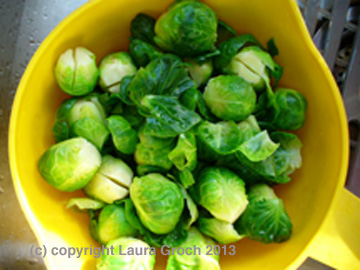
Above: My blanched brussels sprouts, ready for patting dry and freezing.

I admit I’m one of those people who regularly prowl supermarket “clearance” racks. When I find something I can use that’s been marked down, it’s like hitting triple 7s at the slots.

At the market last weekend, I spotted two packages of brussels sprouts, each 24 ounces, both marked to half price, $1.99. (If you don’t happen to be a fan of brussels sprouts, please keep reading, as this will work with other vegetables.) Three pounds for $4, not bad. Into the cart they went.

I didn’t want to cook them all at once and live off brussels sprouts all week, so I decided to freeze them for future use. To do this, I would need to blanch them first.

Blanching means cooking the vegetables briefly, then stopping the cooking. Why not just toss the bags of sprouts into the freezer? According to my Better Homes and Gardens cookbook, the precooking stops the action of an enzyme that would otherwise make the vegetables deteriorate. With blanching, they’ll hold better in the freezer.

Once I got them home, the sprouts went into the sink for an inspection and a wash while a big pot of water came to the boil on the stove. I trimmed off the ends and put a vertical cut (some people do an “X”) into the sprout bottom, about a quarter-inch deep, for more even cooking when they come out of the freezer. Another pot of cold water was waiting in the sink.

Once the water boiled, I put in a couple of handfuls of sprouts, let them boil for a couple of minutes, then scooped them out and plunged them into the cold water. (For best results, use ice water, and refresh it as the ice melts.) Then I drained them, spread them on a paper towel and blotted them dry a bit. Once all the sprouts were done and cooled off, I portioned them into freezer bags, sealed them and patted them flat, then stacked them in the freezer for future use.

It’s pretty easy, and I love when saving money is easy. ;<) Check your cookbooks or the Internet for blanching times recommended for different vegetables — they can vary from 3 to 5 minutes, depending on the veggie and the size of the pieces you’ve cut it into.

It’s also good to consult an expert source about which vegetables need this technique and which ones don’t. Some vegetables, like onions and peppers, don’t need blanching — just wash, blot dry, and freeze. The National Center for Home Food Preservation has lots of good information and a chart of various veggies and times.

(c) Copyright Laura Groch 2013

Fair time means cooking contest time

ImageAbove: Impossibly Easy Mini Chicken Pot Pies.

Fair time beckons in San Diego County (June 8-July 4), and among the many fun contests (for me, at least) are those about cooking. Besides traditional competitions for best jam, jelly, cake, brownie, etc., food companies also sponsor contests, including the famous Spam contest. (I once entered a baking contest at a county fair when I was younger and dumber. I got schooled. I’ll tell you more about it in another post!) Consider trying one or more of these competitions, several of them new this year. For full info, visit the contest section of http://www.sdfair.com or call (858) 792-4207. No registration needed; just bring your entries in by 12:30 p.m. on contest day:

Great American Spam Championship: adults, 1 p.m. June 8; kids, 2 p.m. June 23. This year’s contest is all about the sandwich — from Dagwood-style to a Monte Cristo to a Reuben and everything else in between. But you are limited to 10 ingredients or less. First prize is $150 and a shot at the grand prize, a trip to the Spam Jam Waikiki Festival. Judges will be looking for taste, creativity and presentation.

— New this year is a Pie Baking Championship sponsored by Pillsbury Refrigerated Pie Crusts: 1 p.m. June 15. So yes, you have to use at least one. Categories are dessert pies and savory pies. Top dessert pie wins $200; top savory pie wins $75. Judging based on creativity, simplicity, taste and presentation.

Ghirardelli Chocolate Championshiop, 1 p.m. June 22. Using Ghirardelli 60% Cacao Bittersweet Chocolate Chips (and as much Ghirardelli baking chocolate as you like), create a bite-size delicacy for this contest. Top prize is $150, and the top three winners and a randomly chosen contestant will win a gift basket full of the company’s chocolates. Judges are looking for appearance, taste, creativity and ease of preparation.

Another new contest, this one sponsored by Bisquick: Family Favorites Recipe Contest, at 1 p.m. June 23. Use Bisquick mix to “reinvent a classic appetizer or revitalize an everyday main meal.” That gives you creative cooks a lot of leeway! Top prize is $100; judging based on appearance, flavor and texture.  

— Also new, and also focusing on bite-size goodies: Sweet-Treats for Sweet-Hearts Contest, 1 p.m. June 29, sponsored by Karo Syrup. Judges are looking for taste, creative use of Karo, presentation and ease of preparation. Top prize is $125 for the Top Sweet-Treats (any size), with an extra $100 for Best Bite-Size Treats. 

— Last, and also new: Scratch Bakers Cookie Challenge, 1 p.m. July 4. Sponsored by the Gold Medal Flour folks. Use the flour to create any kind, size or style of cookie from scratch. Top prize is   $100. Judging is based on appearance, flavor and texture.

To get you started thinking of winning ideas, here’s a recipe from the Bisquick folks:

Impossibly Easy Mini Chicken Pot Pies

Chicken Mixture:

1 tablespoon vegetable oil

1 pound boneless skinless chicken breasts, cut into bite-size pieces

1 medium onion, chopped (1/2 cup)

1/2 cup chicken broth

1 cup frozen peas and carrots

1/2 teaspoon salt

1/4 teaspoon pepper

1/4 teaspoon ground thyme

1 cup shredded Cheddar cheese (4 ounces)

Baking Mixture:

1/2 cup Original Bisquick mix

1/2 cup milk

2 eggs

Heat oven to 375 degrees. Spray 12 regular-size muffin cups with cooking spray.

In 10-inch nonstick skillet, heat oil over medium-high heat. Cook chicken in oil 5 to 7 minutes, stirring occasionally, until chicken is no longer pink in center. Add onion and chicken broth; heat to simmering. Add frozen vegetables and seasonings. Heat until hot, stirring occasionally until almost all liquid is absorbed. Cool 5 minutes; stir in cheese.

In medium bowl, stir baking mixture ingredients with whisk or fork until blended. Spoon 1 scant tablespoon baking mixture into each muffin cup. Top with about 1/4 cup chicken mixture. Spoon 1 tablespoon baking mixture onto chicken mixture in each muffin cup.

Bake 25 to 30 minutes or until toothpick inserted in center comes out clean. Cool 5 minutes. With thin knife, loosen sides of pies from pan; remove from pan and place top sides up on cooling rack. Cool 10 minutes longer, and serve. Makes 6 servings (2 mini pies each).

What’s new: Sun-dried tomato ketchup

Image

Summertime (and we’re rapidly approaching it) is picnic time, barbecue time, get-together time for many of us. And many of us will be cooking burgers, hot dogs and other foods that just cry out for some good ketchup. Something new to top them with is California Sun Dried Tomato Ketchup from Traina. It’s made, yes, with sun-dried tomatoes reduced down to a ketchup with a thicker texture than many other ketchups. According to the Patterson, CA-based company, that’s 4 pounds of Roma tomatoes in every 16-ounce bottle! The taste is still sweet, but not sugary, deep and richer. (Comparing the label to that of my other store-brand ketchup shows it has slightly less sugar and sodium overall.) A 16-ounce bottle retails for $4.99. You can find it in San Diego at Gala Foods on Grape Street, or order it online at http://www.traina.com.

Coming clean: My spatula had a secret

spatula

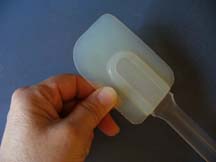
After years in the kitchen, I finally learned how to clean the inside of my spatula. How embarrassing. (Photo copyright 2013 Laura Groch)

One of my favorite kitchen utensils is the simple spatula. The kind that scrapes bowls and pans  (not the kind that flips fried eggs). It’s great for getting those last little blobs out of bowls, bottles and blenders.

BUT — I’ll be honest with you — I could never get mine completely clean.

Little bits of I-don’t-know-what got under the handle and stayed there in a state of  unreachable and permanent grodiness. Yes, the blade part was spotless, but — that ick under the handle bugged me. Until I read online about the dirtiest places in the kitchen and how to clean them.

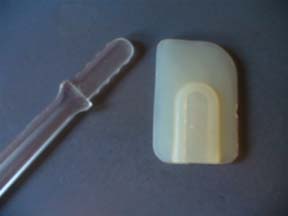
Spatula was right up there — as well as how to TAKE IT APART to clean it. Most spatulas are built the same, wrote the posters (www.recipe.com/blogs/cooking/nine-dirtiest-places-in-your-kitchen-youd-be-surprised) — you can basically just grasp the blade (as in photo above) and yank it apart (photo below).

Image

Well. All these years of cooking (and cleaning) and I had no idea you could take a spatula apart. I felt pretty dumb.

I marched to the kitchen and took mine out of the drawer. Yank! Pop! and there it was in two pieces.

Reader, I scrubbed it to a fare-thee-well, inside and out. As those of you who also didn’t know this little tidbit will no doubt be doing shortly! :<)